

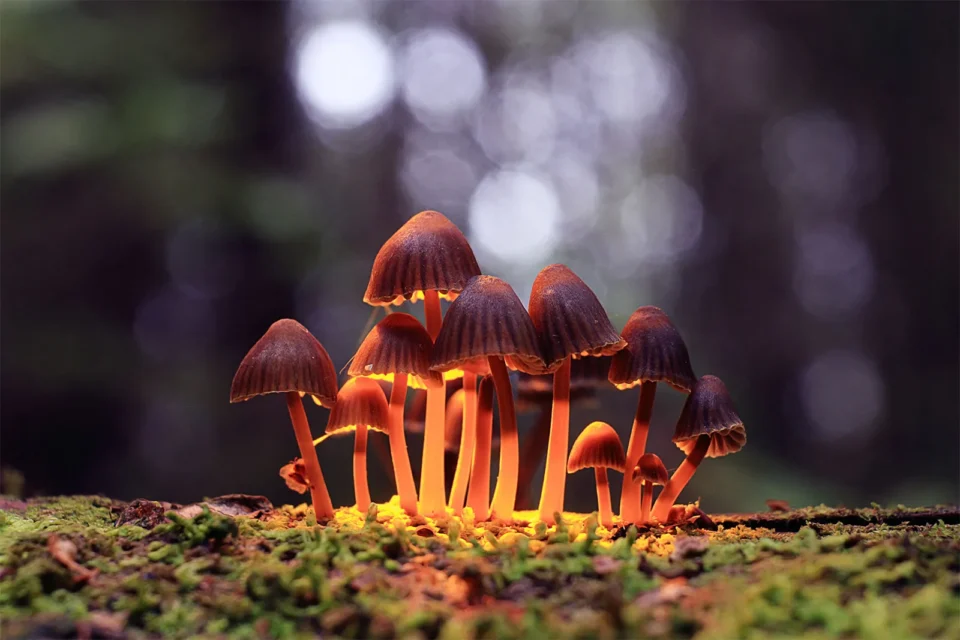
Magic mushrooms, which contain psychoactive compounds like psilocybin and psilocin, have been the subject of cultural interest, scientific research, and regulatory discussion across Europe. While their potential therapeutic applications are being explored, legal frameworks vary widely from country to country. Understanding the biological, legal, and practical aspects of magic mushrooms is essential for researchers, educators, and anyone interested in these fungi.
This article provides a stepwise overview of key considerations regarding magic mushrooms in Europe.
Step 1: Understanding Magic Mushrooms
Magic mushrooms are fungi that produce psychoactive compounds such as:
- Psilocybin: The primary compound that converts to psilocin in the body, responsible for altered perception and cognition.
- Psilocin: The active metabolite that interacts with serotonin receptors to produce psychedelic effects.
These compounds are naturally occurring in various Psilocybe species. The effects and potency can vary depending on species, strain, growing conditions, and preparation method.
Step 2: Legal Status in Europe
The legal classification of magic mushrooms differs across countries:
- Western Europe:
- Netherlands: Fresh mushrooms are illegal, but magic truffles are legal under regulated conditions.
- Germany and France: Psilocybin-containing mushrooms are strictly prohibited.
- Northern Europe:
- Sweden, Denmark, Finland: Zero tolerance policies; possession, cultivation, and distribution are illegal.
- Southern Europe:
- Portugal: Personal possession is decriminalized under specific limits; commercial sale is illegal.
- Spain: Small private cultivation may be tolerated, but sale is prohibited.
- Central and Eastern Europe:
- Poland and Hungary: Strict prohibition with criminal penalties.
- Czech Republic: Psilocybin is illegal, but ongoing discussions about potential reforms exist.
Awareness of these legal distinctions is crucial for compliance and responsible study. For those looking for a safe and convenient option, buy magic mushrooms through the platform to access verified products.
Step 3: Forms and Consumption Methods
Magic mushrooms can be consumed in various ways:
- Fresh or dried mushrooms: Consumed directly, brewed into teas, or incorporated into foods.
- Extracts or capsules: Contain concentrated psilocybin or psilocin for standardized dosing.
- Truffles: Underground sclerotia of certain species; legal in specific countries and convenient for storage and dosing.
Each form has unique handling, storage, and dosage considerations.
Step 4: Research and Medical Applications
Scientific interest in magic mushrooms is growing due to their potential therapeutic benefits:
- Mental health research: Studies explore psilocybin-assisted therapy for depression, anxiety, PTSD, and addiction.
- Controlled studies: Licensed research programs administer precise doses under professional supervision.
- Safety protocols: Include ethical review, clinical monitoring, and controlled environments to ensure participant safety.
These applications are strictly regulated and differ significantly from recreational use.
Step 5: Potential Risks and Safety Considerations
Although magic mushrooms may have therapeutic potential, safety remains a concern:
- Dosage variability: Potency differs between species, strains, and batches, leading to unpredictable effects.
- Physical and psychological effects: Include nausea, dizziness, anxiety, or intense hallucinations in some cases.
- Legal consequences: Possession or distribution without proper authorization can lead to fines or imprisonment in most European countries.
Understanding these risks is essential for research, education, or legal compliance.
Step 6: Cultural and Historical Context
Magic mushrooms have a long history of use in ritualistic and spiritual practices worldwide:
- Traditional use: Indigenous cultures historically used psilocybin fungi in ceremonies.
- Modern cultural interest: Psychedelic communities in Europe explore mushrooms for personal growth, creativity, and wellness.
- Scientific dialogue: Research bridges historical use with contemporary therapeutic exploration, informing policy and education.
Cultural understanding provides context for legal and scientific discussions.
Step 7: Practical Considerations for Researchers and Educators
For professionals handling magic mushrooms in Europe:
- Licensing: Required for research, clinical trials, or educational demonstration.
- Controlled environments: Laboratory or clinical settings ensure safety and reproducibility.
- Ethical compliance: Research must follow ethical review processes and protect participants from harm.
Following these protocols ensures legal and scientific responsibility.
Conclusion
Magic mushrooms in Europe are subject to complex legal, cultural, and scientific frameworks. Awareness of species, active compounds, legal status, forms of consumption, research applications, and safety considerations is essential for responsible study and use.
By following structured steps—from understanding biological properties to considering legal and safety factors—researchers, educators, and enthusiasts can navigate this complex landscape knowledgeably and responsibly.
