

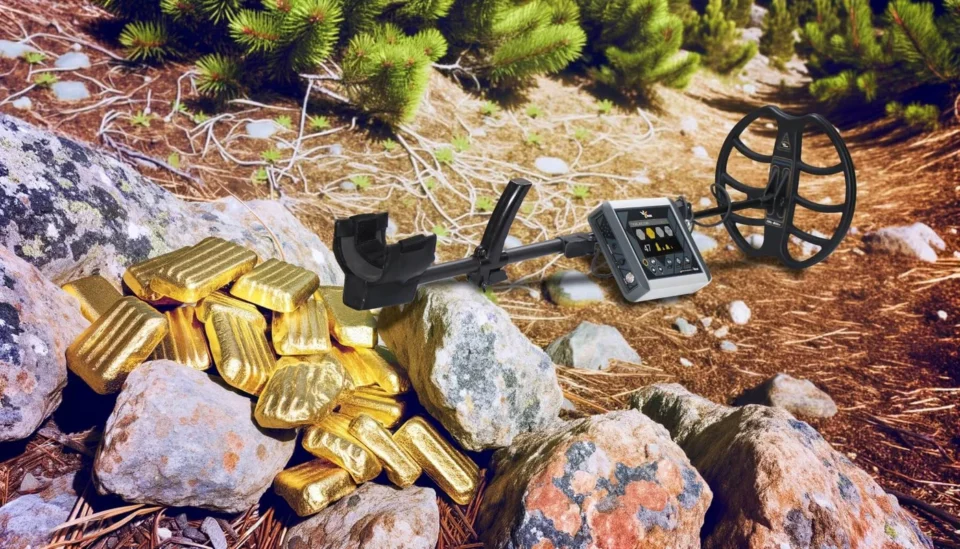
Choosing the right gold detector is one of the most important decisions for anyone interested in gold prospecting or treasure hunting. With a wide variety of gold detectors available on the market, each offering different features, technologies, and price ranges, making the right choice can feel overwhelming—especially for beginners.
This guide breaks the process into clear, practical steps to help you choose a gold detector that matches your experience level, environment, and goals.
Step 1: Identify Your Experience Level
The first step in choosing the right gold detector is understanding your own experience.
Beginners
If you are new to gold detecting, look for:
- Simple controls
- Automatic ground balance
- Lightweight design
- Minimal setup requirements
Beginner-friendly detectors reduce frustration and allow you to focus on learning basic detecting techniques.
Intermediate to Professional Users
Experienced users may prefer:
- Manual control options
- Advanced ground balance settings
- Higher detection depth
- Multiple search modes
Step 2: Understand the Type of Gold You Want to Find
Not all gold detectors are designed for the same targets.
- Small gold nuggets: Require high-frequency detectors with high sensitivity
- Large or deep gold targets: Require powerful detectors with strong penetration
- Gold coins and relics: Detectors with discrimination features are ideal
Knowing your target type helps narrow down the right detector technology. The gold detector recommended on this website is perfect for both beginners and experienced treasure hunters.
Step 3: Choose the Right Detection Technology
Gold detectors mainly use two technologies:
Very Low Frequency (VLF)
- Best for small gold nuggets
- Lightweight and affordable
- Ideal for beginners
- Less effective in highly mineralized soil
Pulse Induction (PI)
- Excellent depth performance
- Works well in mineralized and rocky soil
- Preferred by professionals
- Generally more expensive
Selecting the right technology depends on your budget and environment.
Step 4: Consider Ground and Soil Conditions
Soil mineralization greatly affects gold detection.
- Low mineralization: VLF detectors perform well
- High mineralization (deserts, mountains): PI detectors are more effective
If you plan to detect in different environments, choose a detector with advanced ground balancing capabilities.
Step 5: Check Detection Depth and Sensitivity
Detection depth determines how deep the detector can find gold, while sensitivity determines how small a gold piece it can detect.
- Higher sensitivity is essential for small nuggets
- Greater depth is needed for large or buried gold
Look for adjustable sensitivity settings to adapt to different conditions.
Step 6: Evaluate Ease of Use and Comfort
A gold detector should be comfortable and easy to operate, especially during long detecting sessions.
Consider:
- Weight and balance
- Adjustable shaft length
- Clear display and audio alerts
- Battery life
Lightweight detectors reduce fatigue and allow longer search time.
Step 7: Review Discrimination and Target Identification Features
Discrimination allows the detector to ignore unwanted metals like iron.
- Useful for areas with heavy trash
- Saves time by reducing unnecessary digging
- Helps focus on gold signals
While discrimination is helpful, beginners should still learn to dig most signals when prospecting.
Step 8: Set a Realistic Budget
Gold detectors are available in a wide price range.
- Entry-level detectors: Affordable and beginner-friendly
- Mid-range detectors: Balanced performance and features
- Professional detectors: High cost but superior performance
Choose a detector that offers the best value within your budget rather than focusing only on price.
Step 9: Consider Additional Features and Accessories
Modern gold detectors offer extra features that enhance performance:
- Waterproof coils
- Wireless headphones
- Multiple search coils
- GPS and data logging
While not essential, these features can improve efficiency and comfort.
Step 10: Research Reviews and Manufacturer Reputation
Before making a final decision:
- Read user reviews
- Compare specifications
- Choose trusted brands known for quality and support
A reliable manufacturer ensures durability, warranty, and long-term satisfaction.
Common Mistakes to Avoid When Choosing a Gold Detector
- Buying an advanced detector without experience
- Ignoring soil conditions
- Focusing only on depth instead of sensitivity
- Choosing based on price alone
Avoiding these mistakes can save money and frustration.
Final Thoughts
Choosing the right gold detector requires careful consideration of your experience level, target type, environment, and budget. By following these step-by-step guidelines, you can confidently select a gold detector that fits your needs and increases your chances of success.
Whether you are a beginner searching for your first gold nugget or a professional seeking deeper and more valuable targets, the right gold detector can turn your effort into a rewarding experience.
